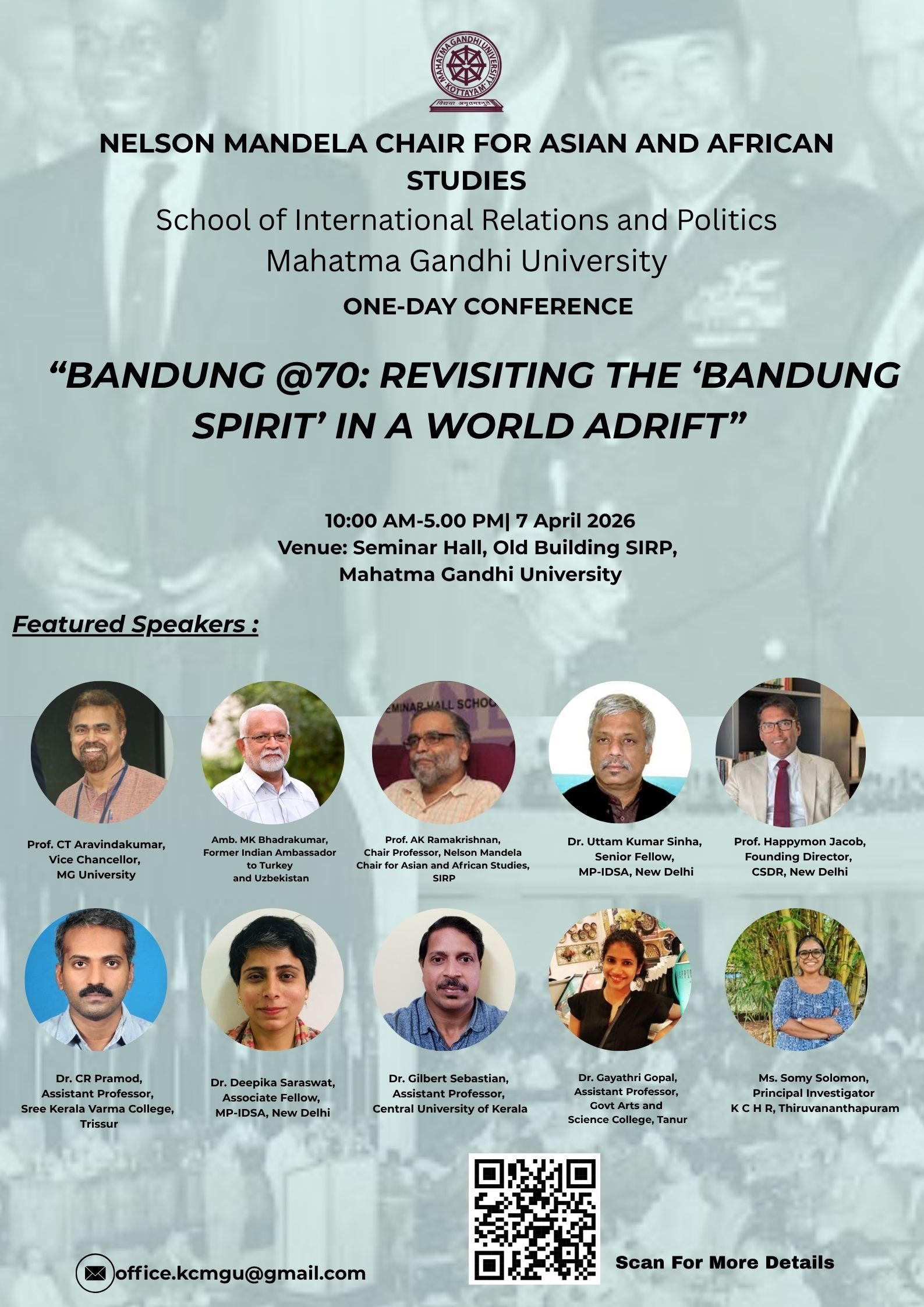
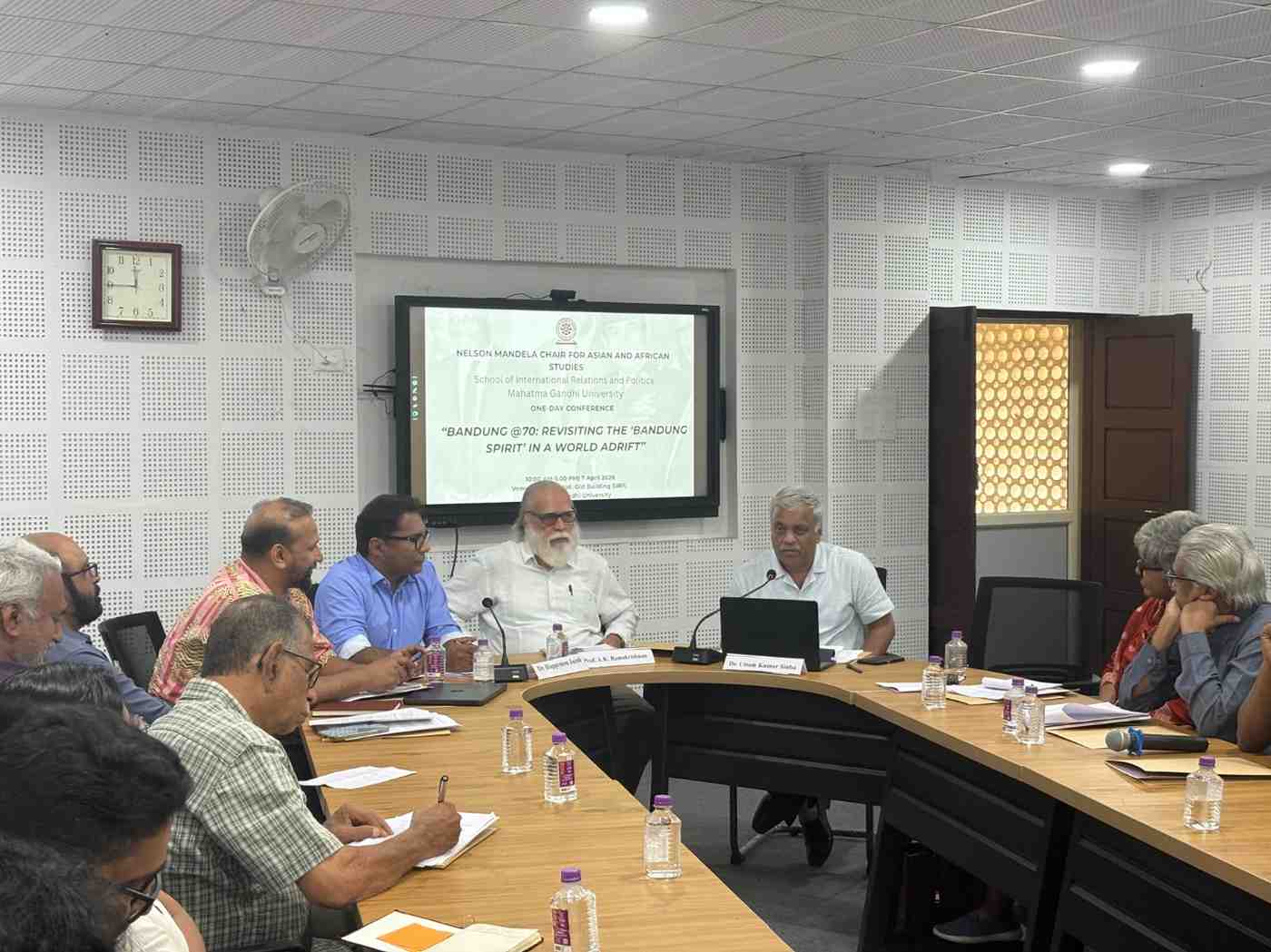
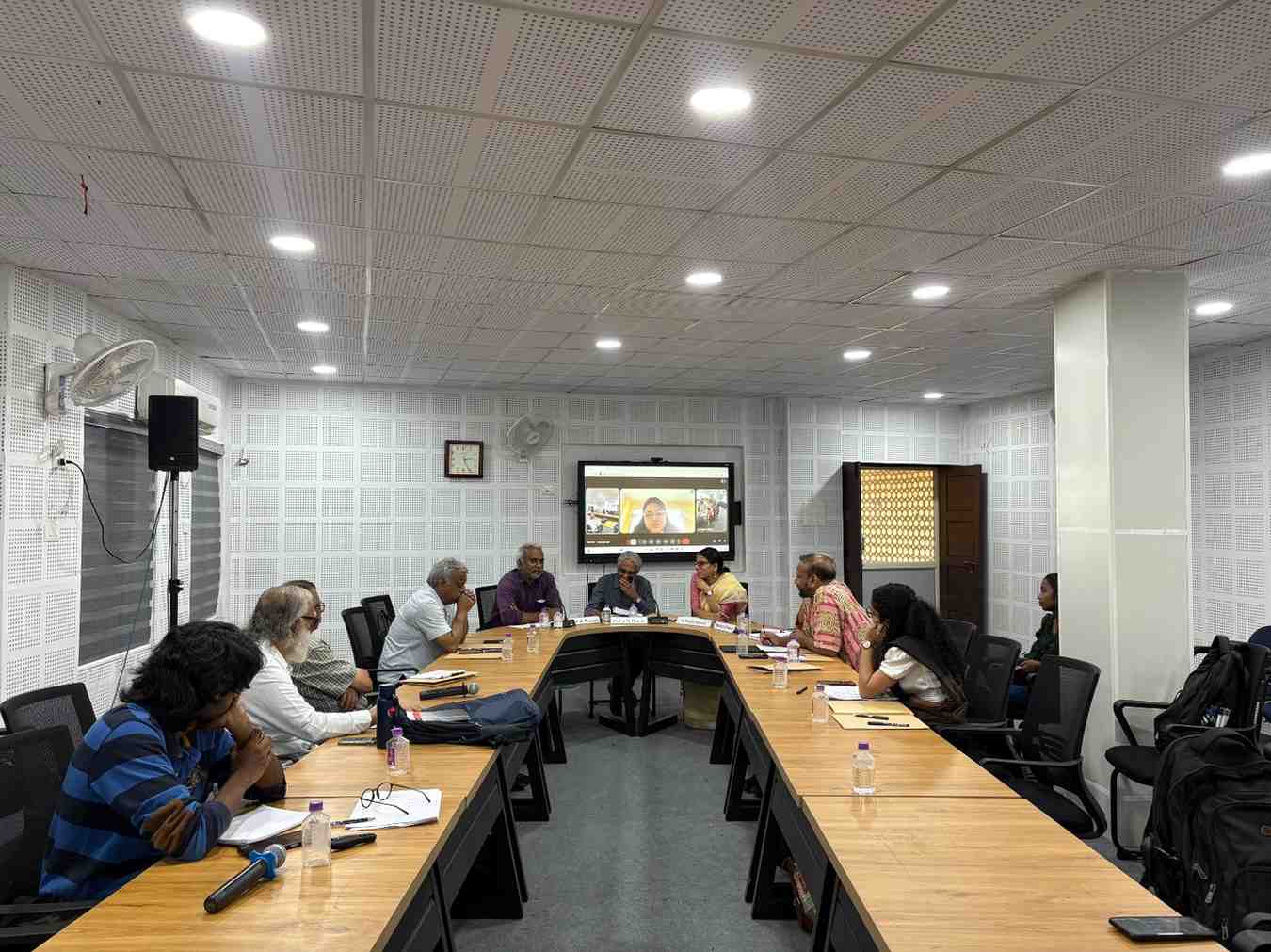
The Nelson Mandela Chair for Asian and African Studies at the School of International Relations and Politics (SIRP), Mahatma Gandhi University, Kottayam, organised a one-day national conference titled “Bandung @70: Revisiting the ‘Bandung Spirit’ in a World Adrift” on April 7, 2026. Marking the 70th anniversary of the historic 1955 Asian-African Conference in Bandung, Indonesia, the event convened academics, foreign policy experts, and researchers to critically re-evaluate Afro-Asian solidarity amidst today’s geopolitical anxieties, climate crises, and systemic global disorders.
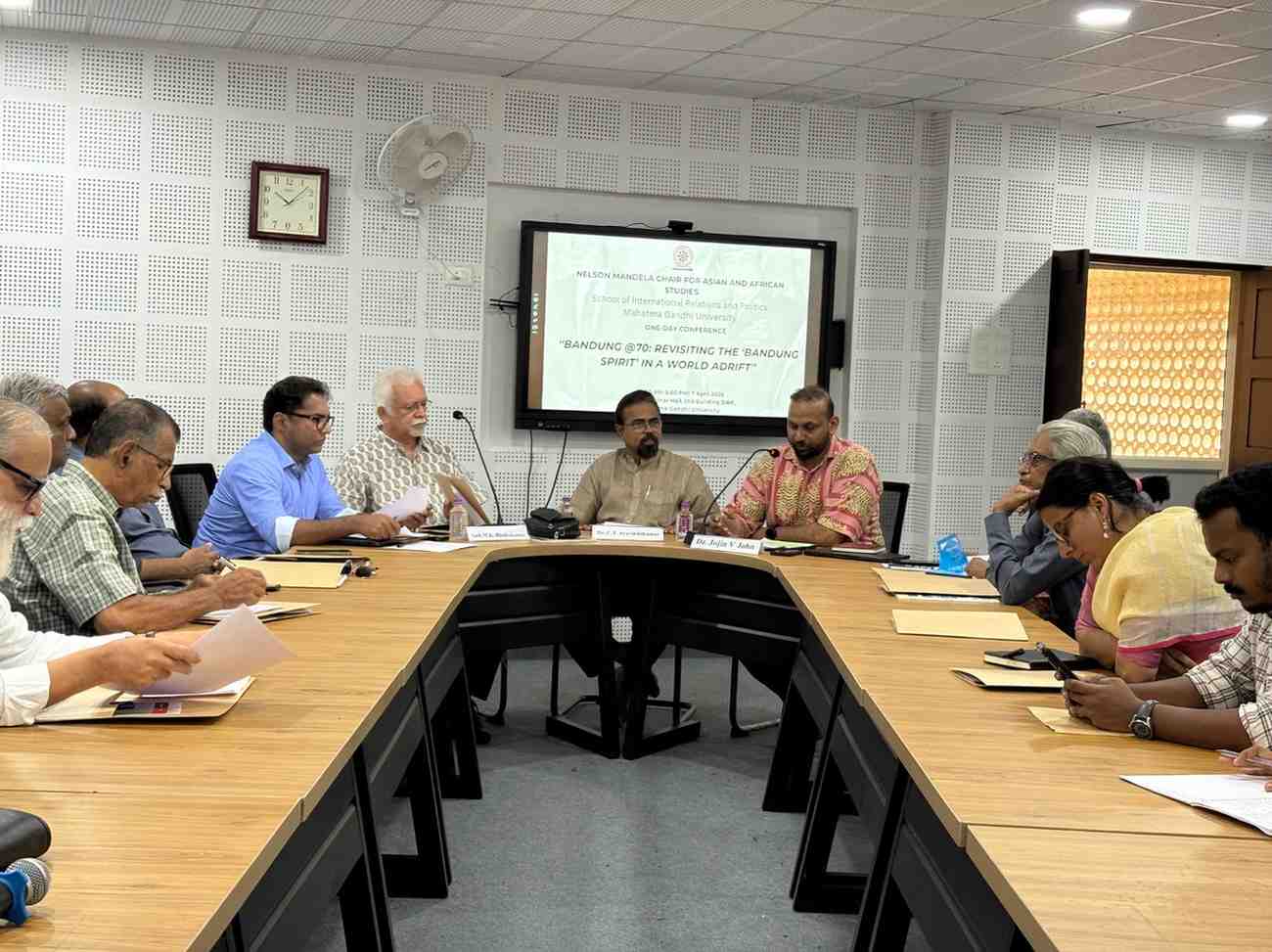
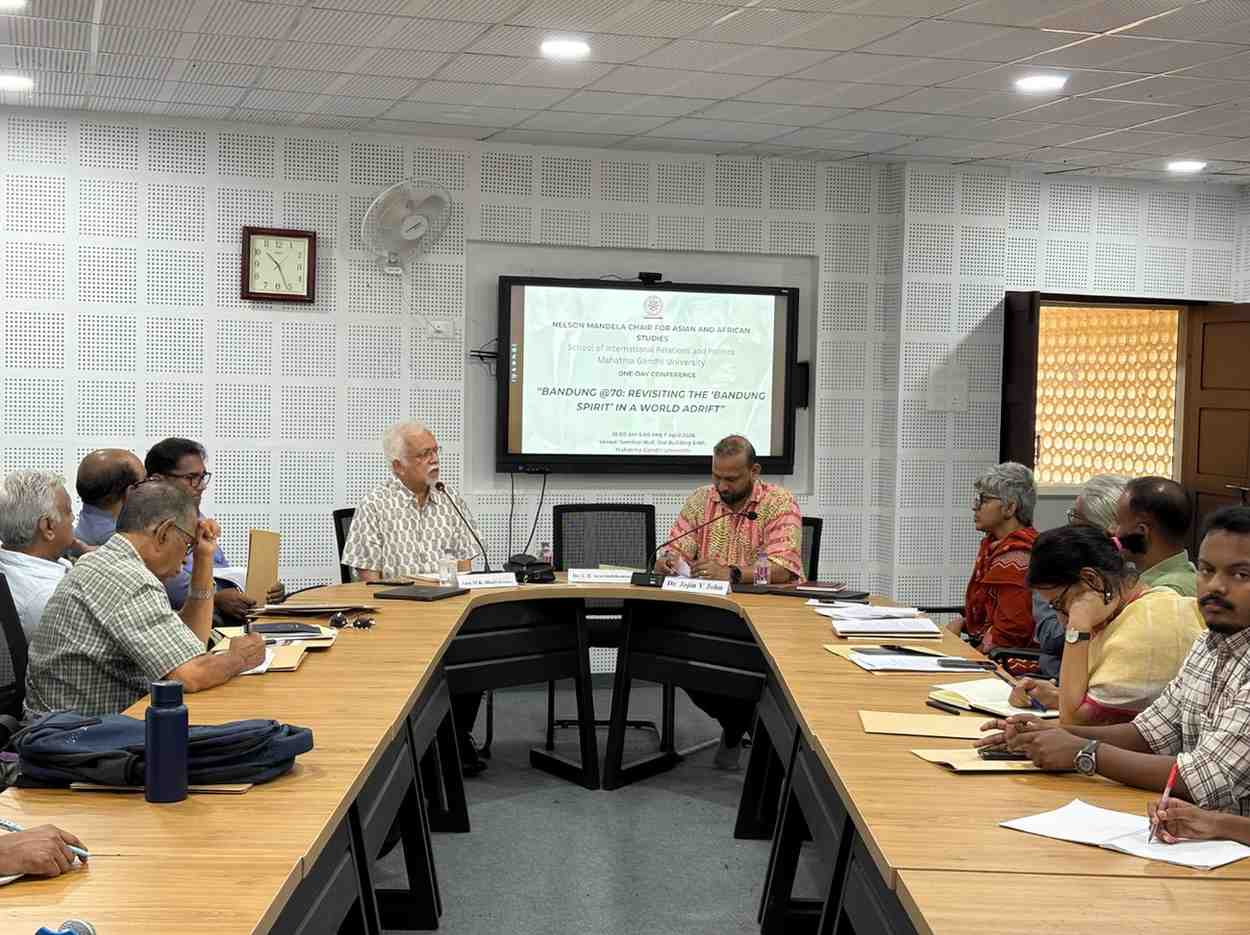
The conference opened with introductory remarks by Dr. Jojin V John, Coordinator of the Nelson Mandela Chair, followed by an inaugural address by Vice Chancellor Prof. CT Aravindakumar. Delivering the Keynote Address, former Ambassador MK Bhadrakumar spoke on “Bandung Spirit and the World Order: Then and Now.” He analyzed how the global shift from mid-twentieth-century non-alignment to modern multipolarity has reshaped statecraft, emphasizing how power rivalries and economic weaponisation continually challenge the Global South.
In the first thematic session, chaired by Prof. AK Ramakrishnan, speakers evaluated the evolution of Indian foreign policy. Dr. Uttam Kumar Sinha presented “Bandung and the Making of India’s World View: Nonalignment, Solidarity, and the Third World Imagination,” detailing how early post-independence leadership built a distinct normative identity around non-alignment and Afro-Asian unity. Prof. Happymon Jacob presented “From Nonalignment to Strategic Autonomy: India and the World Order,” mapping India’s conceptual transition from ideological non-alignment to a pragmatic pursuit of strategic autonomy in a multipolar system.
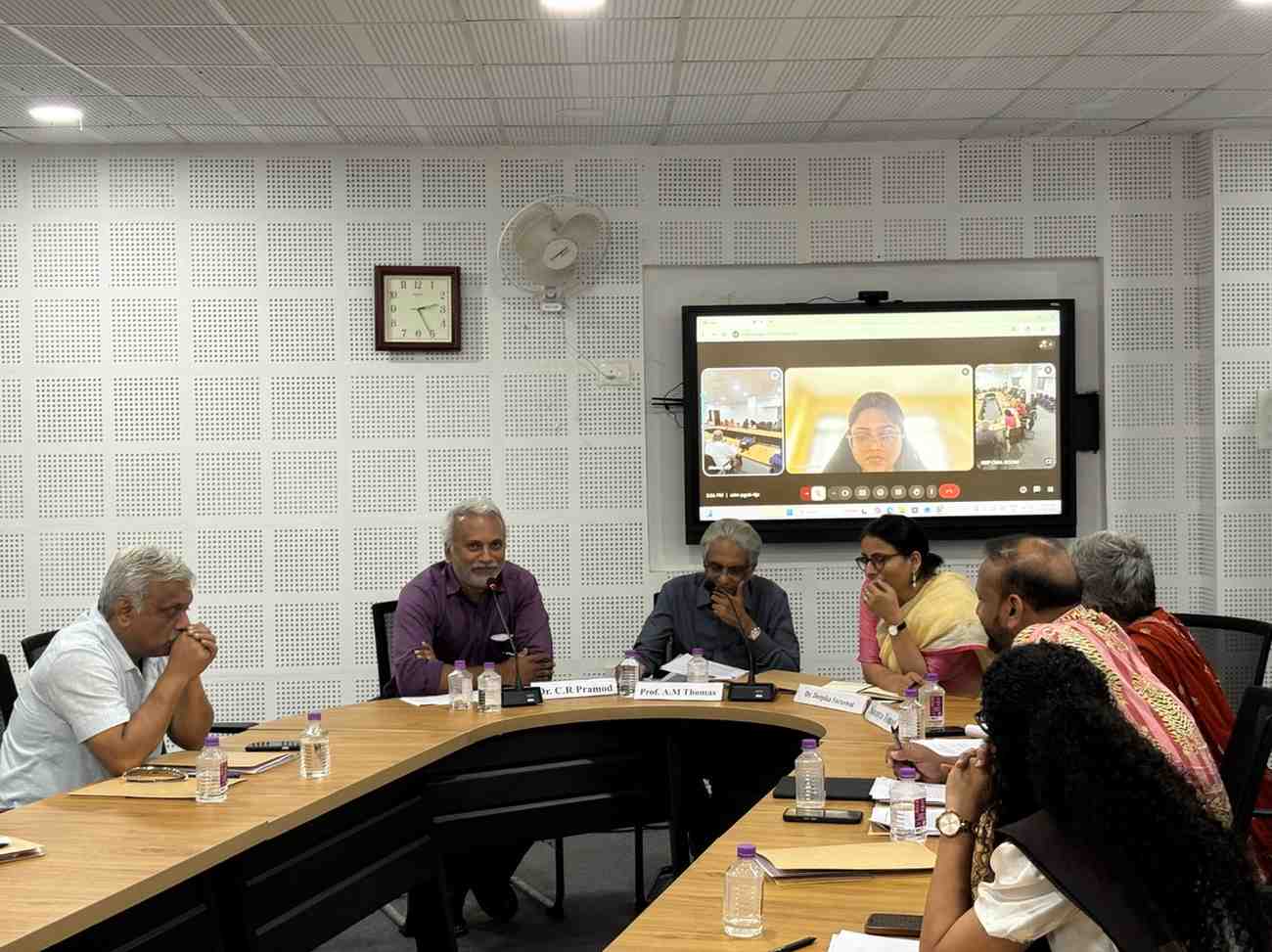
The second session, chaired by Prof. AM Thomas, focused on contemporary socioeconomic and geopolitical issues through the Bandung framework. Dr. CR Pramod presented “Bandung Spirit: Contemporary Trends in Economy, Society and Polity,” examining structural inequality and state responses within modern global political economy. Saumya Tomar presented “Reclaiming the Bandung Spirit: Climate Justice, Carbon Transitions, and Global Inequality,” highlighting how the unequal burdens of climate change mandate a renewed Global South solidarity for equitable transitions. Dr. Deepika Saraswat delivered “Regionalised Conflict in West Asia: Competing Visions of Security,” evaluating the complex security architecture and regional rivalries driving instability across West Asia.
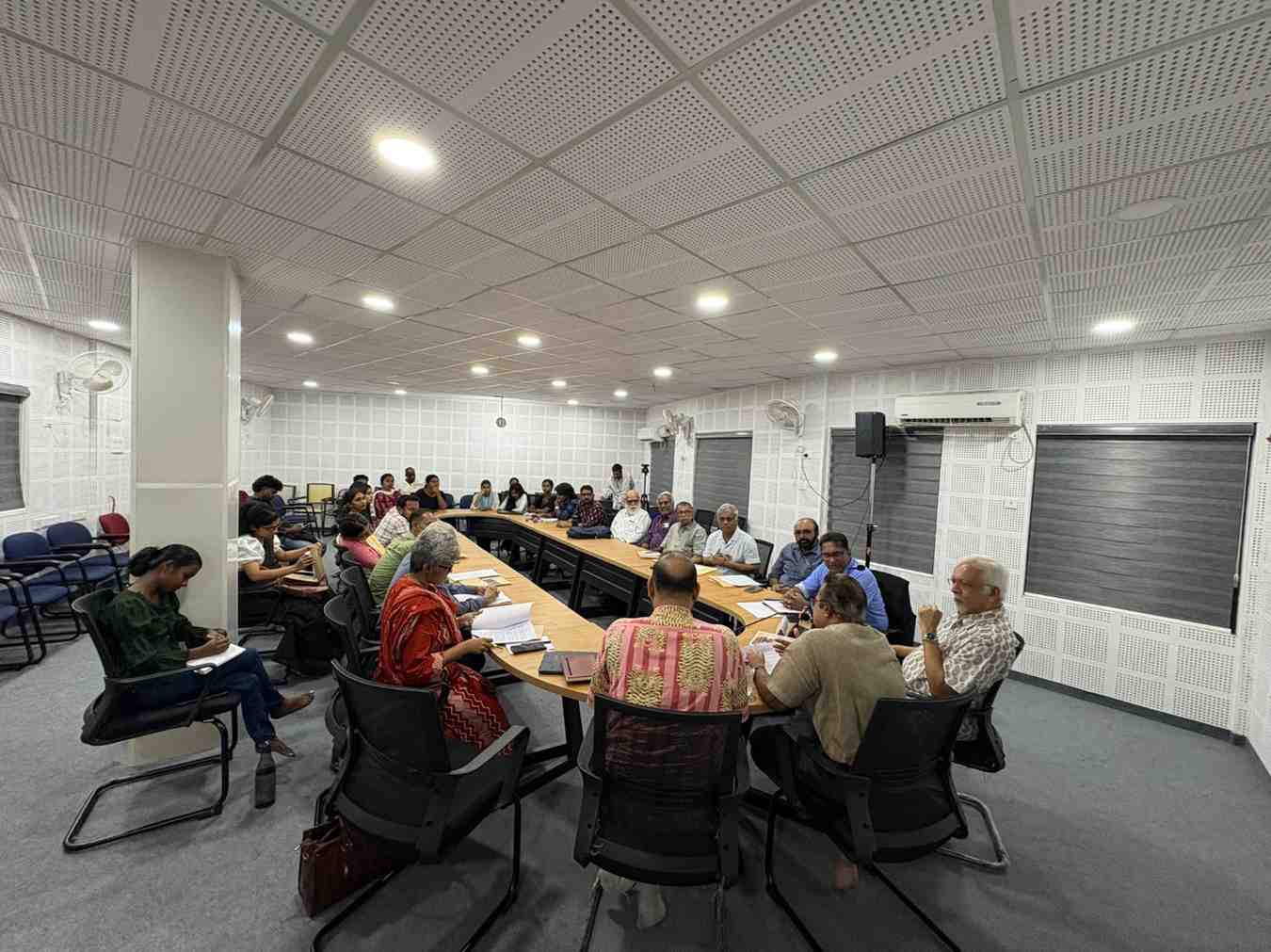
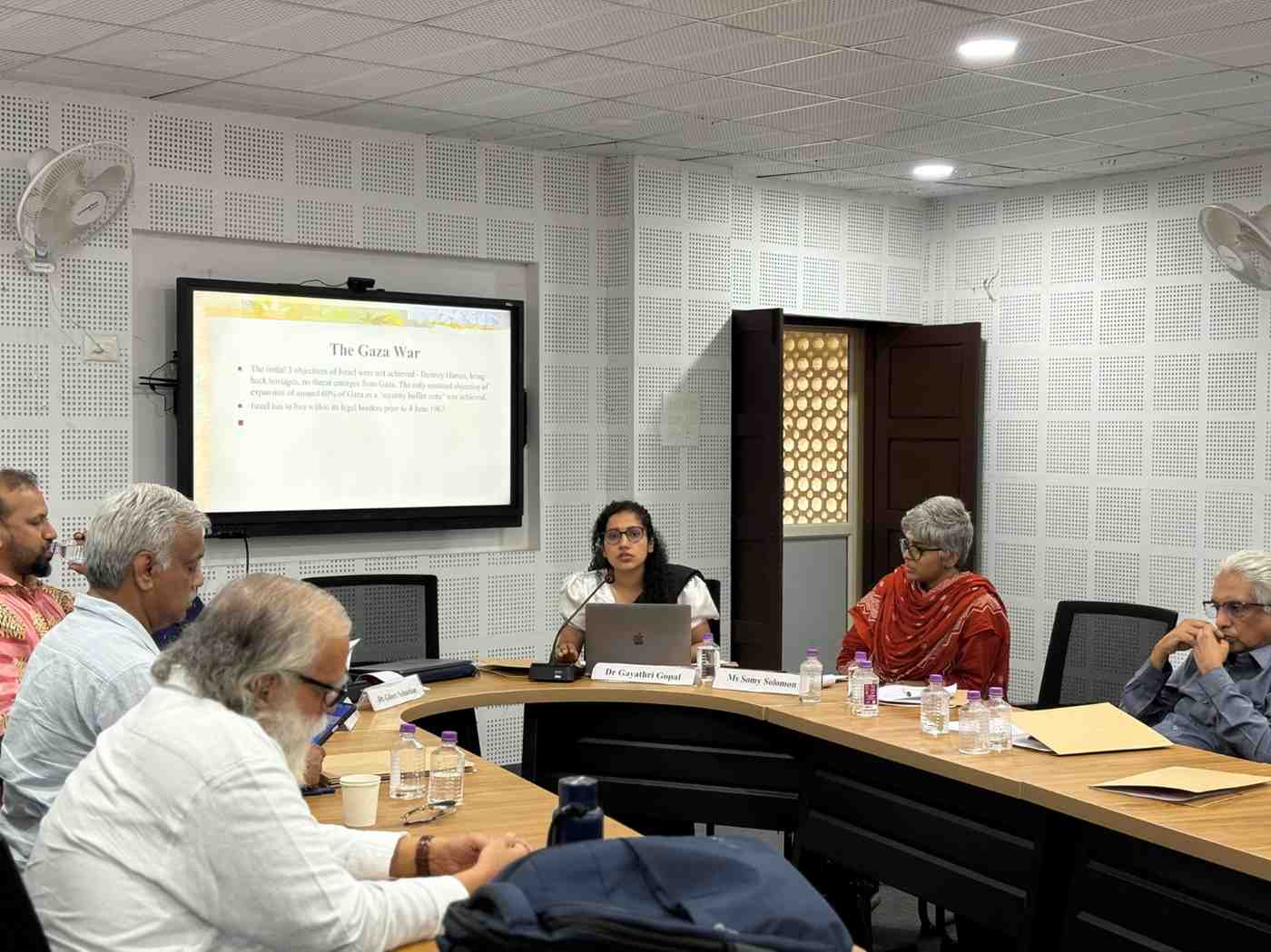
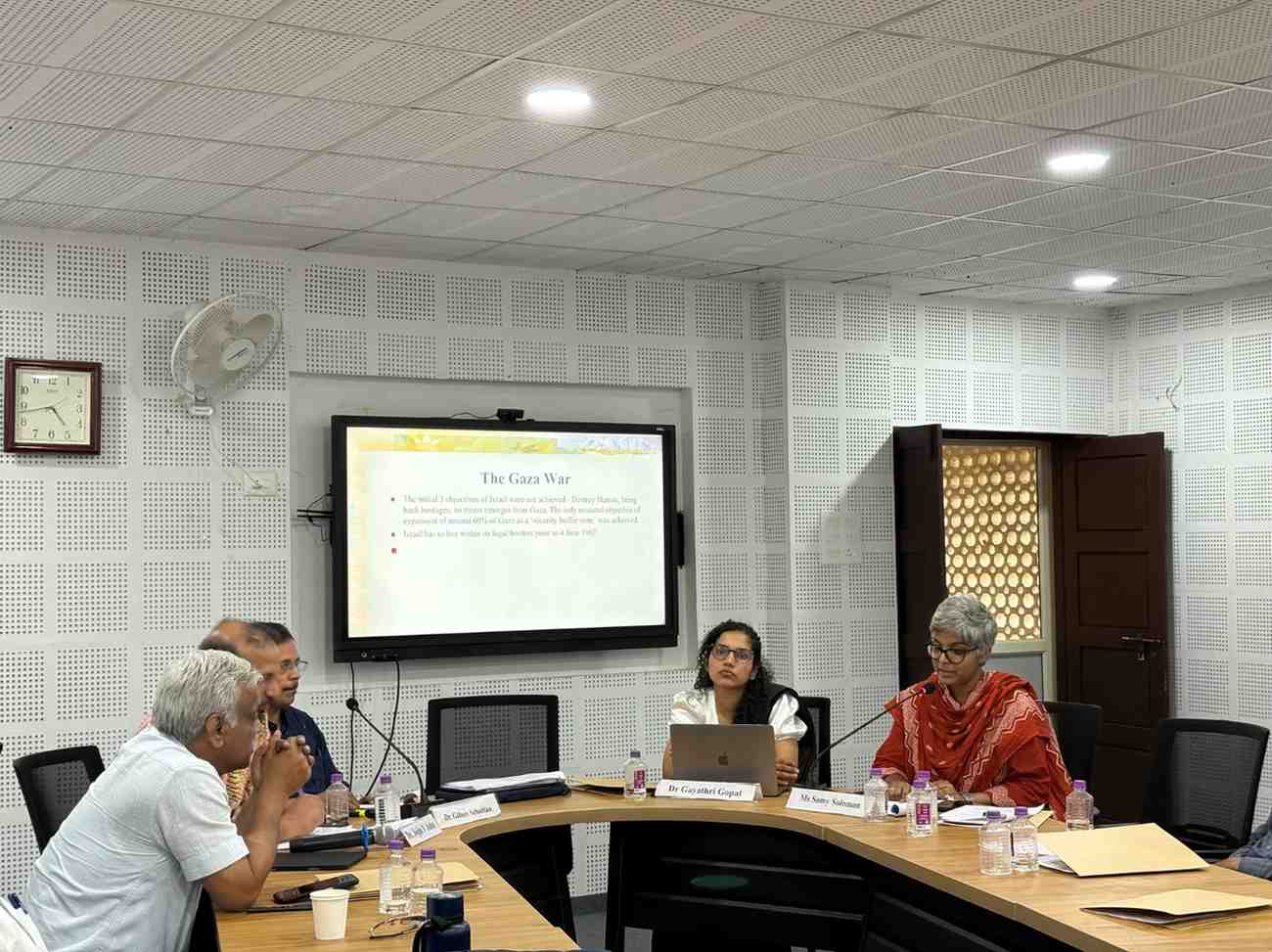
The final session, chaired by Dr. Jojin V John, explored India’s contemporary diplomatic choices and grassroots historical ties. Dr. Gilbert Sebastian presented “The Bandung Legacy and India’s Contemporary Realism: The Cases of the Gaza and Iran Wars,” offering a critical look at India’s realist strategic pivots in response to escalating West Asian conflicts. Dr. Gayathri Gopal presented “Revisiting Bandung: India’s Foreign Policy Transformation in a Fragmented Global Order,” charting the adaptation of Indian diplomacy to a fragmented international system. Ms. Somy Solomon presented “Revisiting the Bandung Spirit through People’s Histories: The Migration Profile of Keralites in Africa Project,” bringing a human-centered historical perspective to Afro-Asian solidarity through the migration history of Keralites. The conference concluded with a summary emphasizing the enduring role of the Bandung Spirit in building a more equitable global order.
Looking ahead, the deliberations underscored that the 1955 Bandung Principles remain far more than a historical artifact, offering a vital normative blueprint for navigating today’s fragmented geopolitical landscape. By placing equity, non-interference, and shared agency back at the center of international discourse, the discussions reaffirmed the necessity of a cohesive Global South in shaping a fair, multipolar world order. Ultimately, reviving the Bandung Spirit provides developing nations with both the moral foundation and practical strategy needed to address complex global crises on their own terms.

© 2026 Priyadarsini Hills, Kottayam,Kerala,India, Pin: 686560