One-Day Academic Workshop
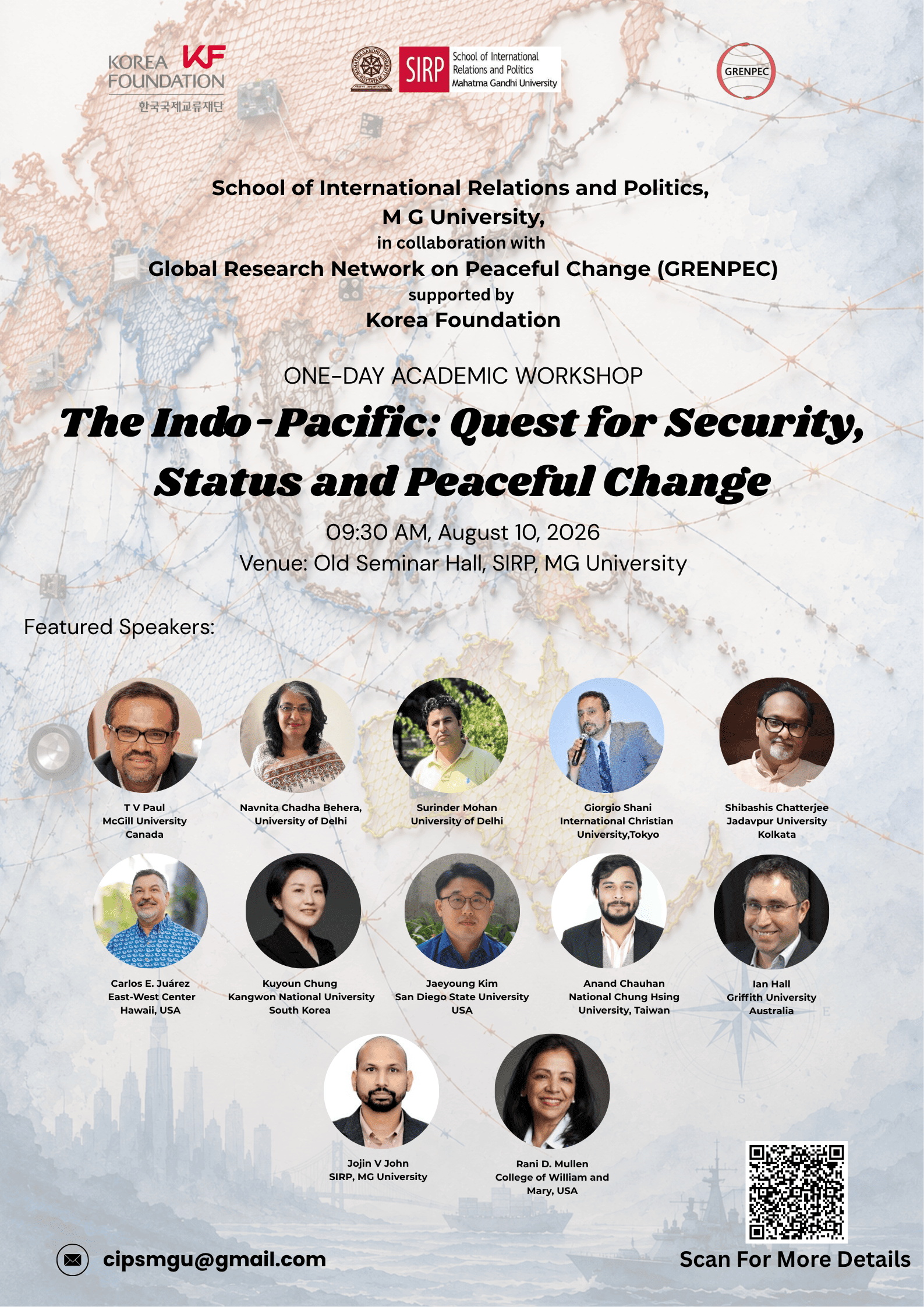
The Indo-Pacific: Quest for Security, Status and Peaceful Change
August 10, 2026
School of International Relations and Politics
Mahatma Gandhi University, Kerala, India
Organised by
School of International Relations and Politics, Mahatma Gandhi University,
in collaboration with Global Research Network on Peaceful Change (GRENPEC)
supported by Korea Foundation
Date: August 10, 2026
Venue: School of International Relations and Politics, Mahatma Gandhi University, Kottayam
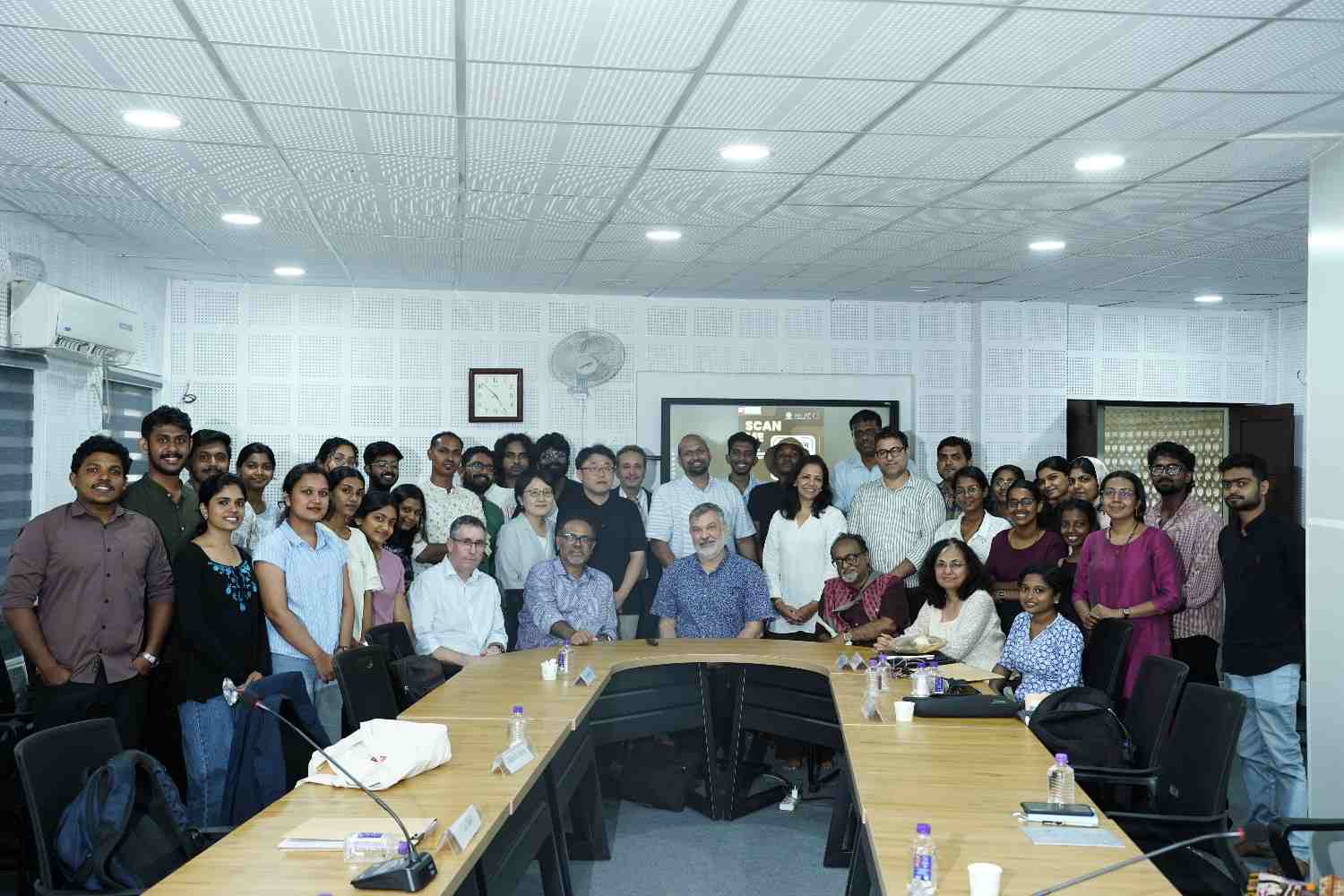
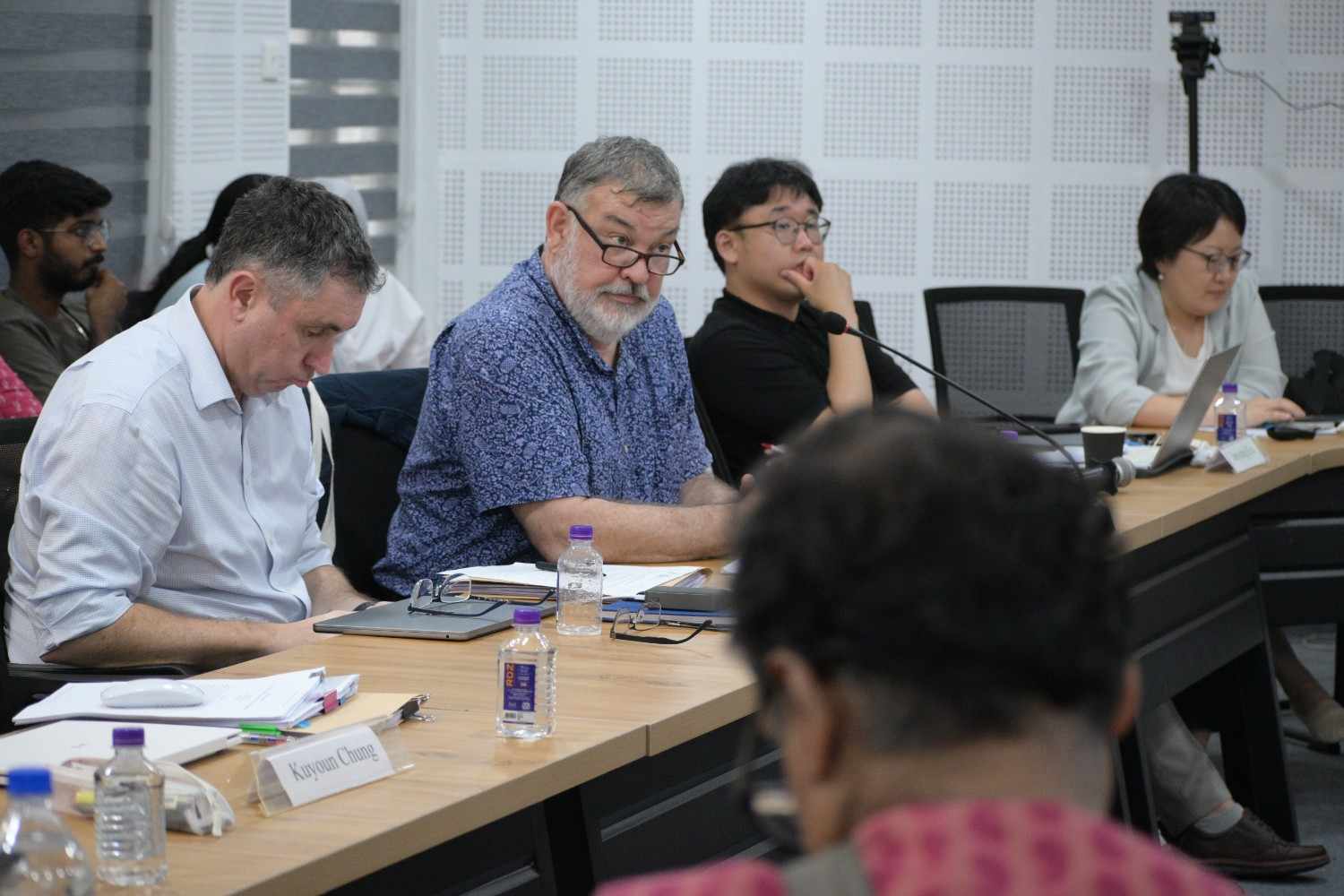
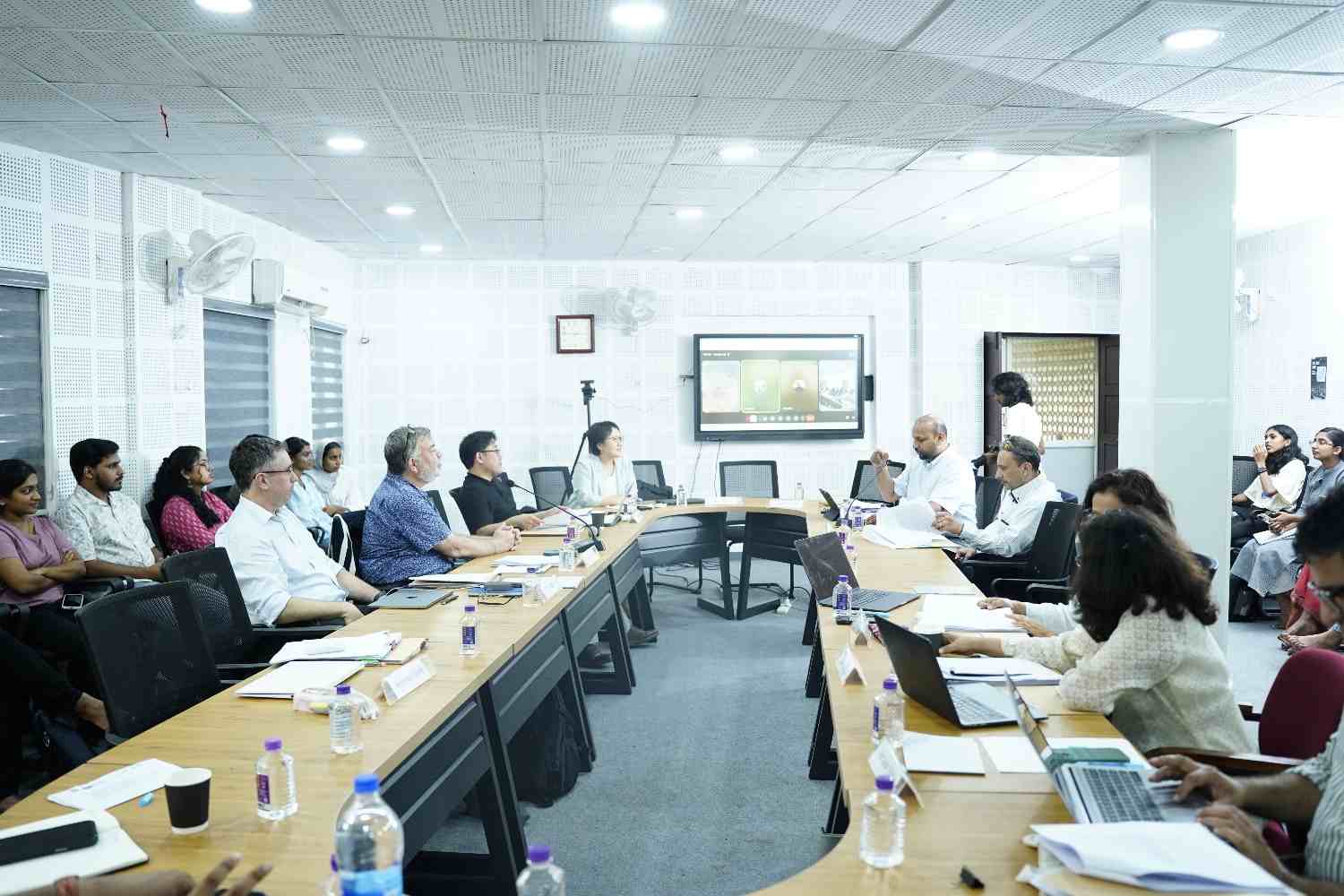
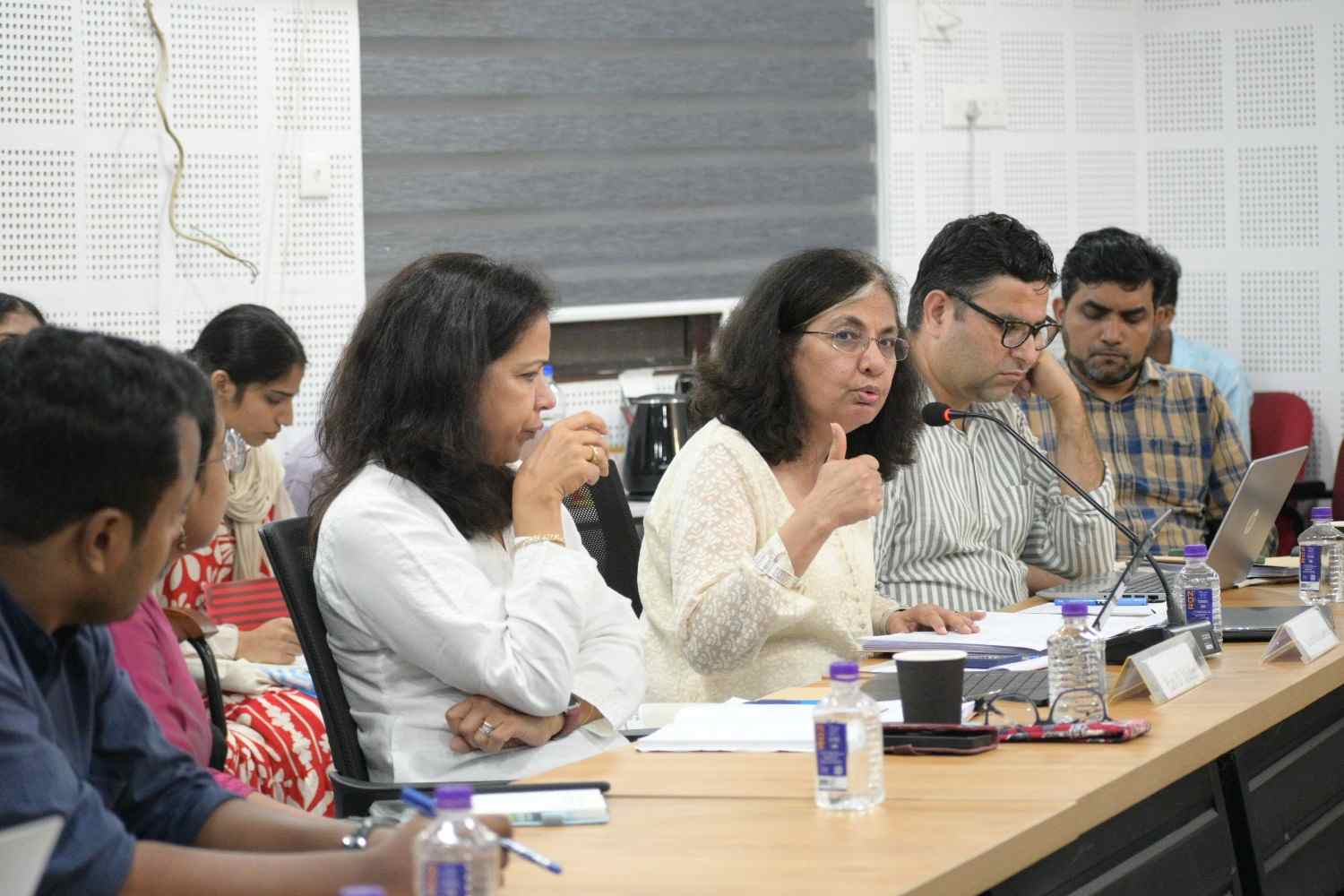
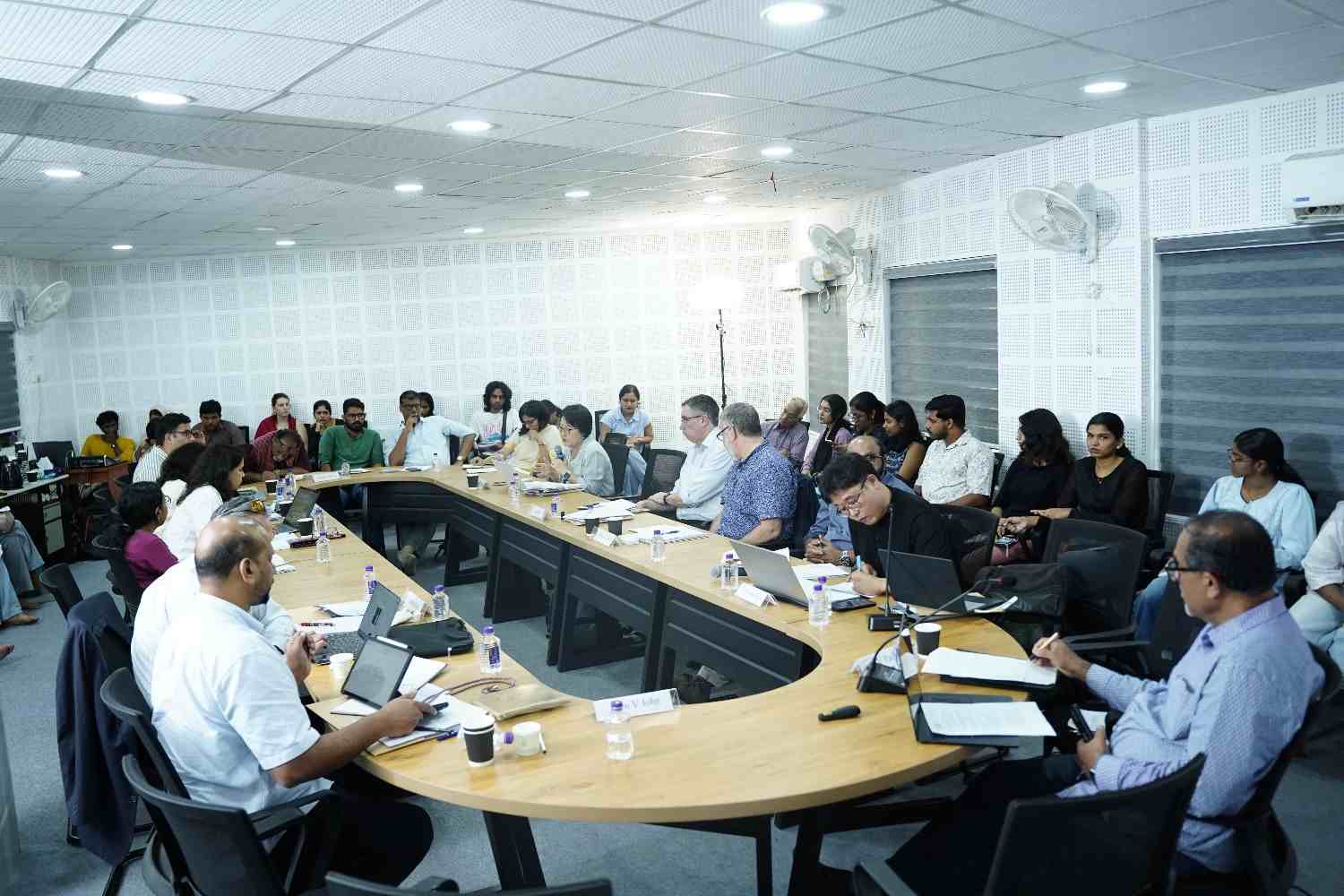
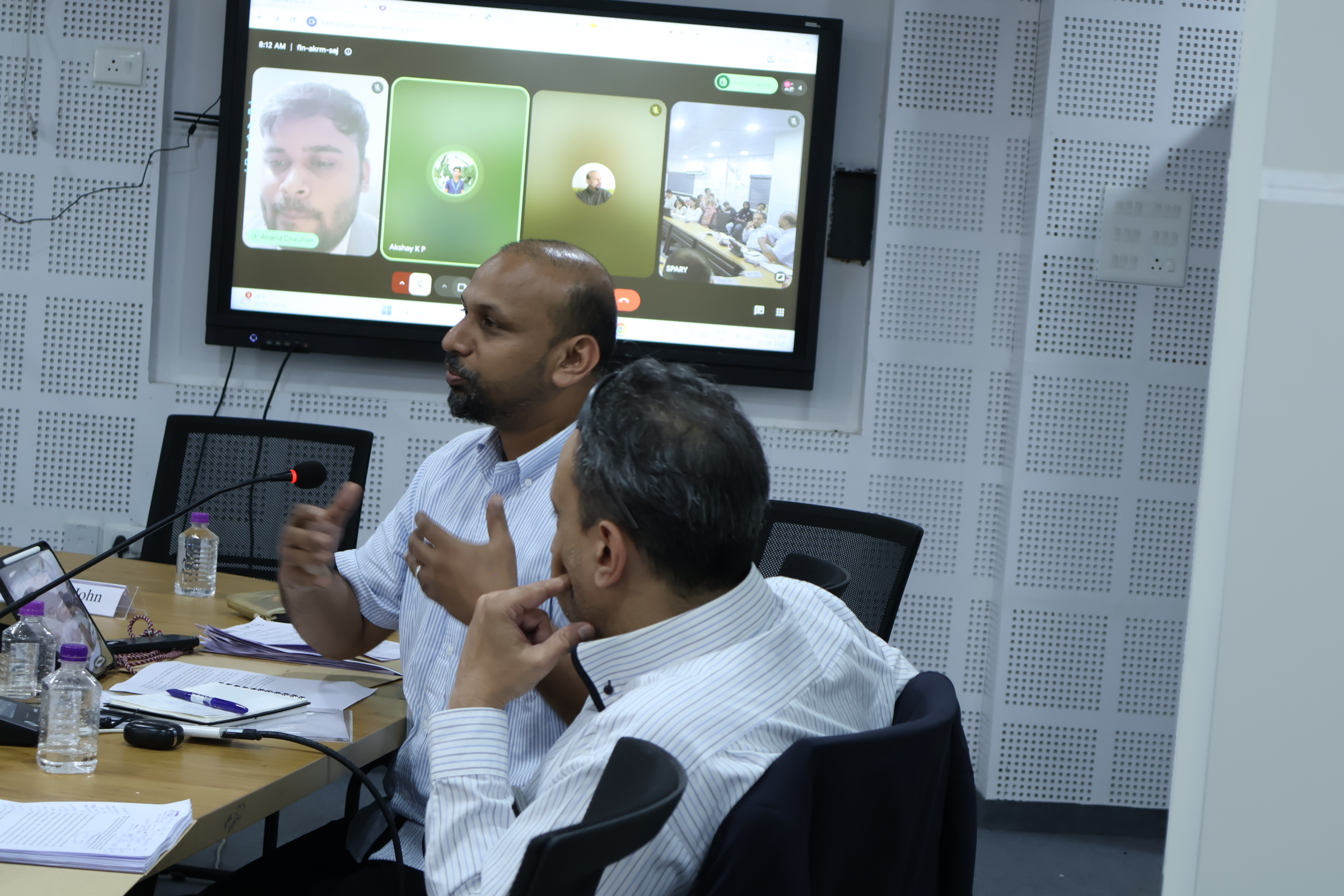
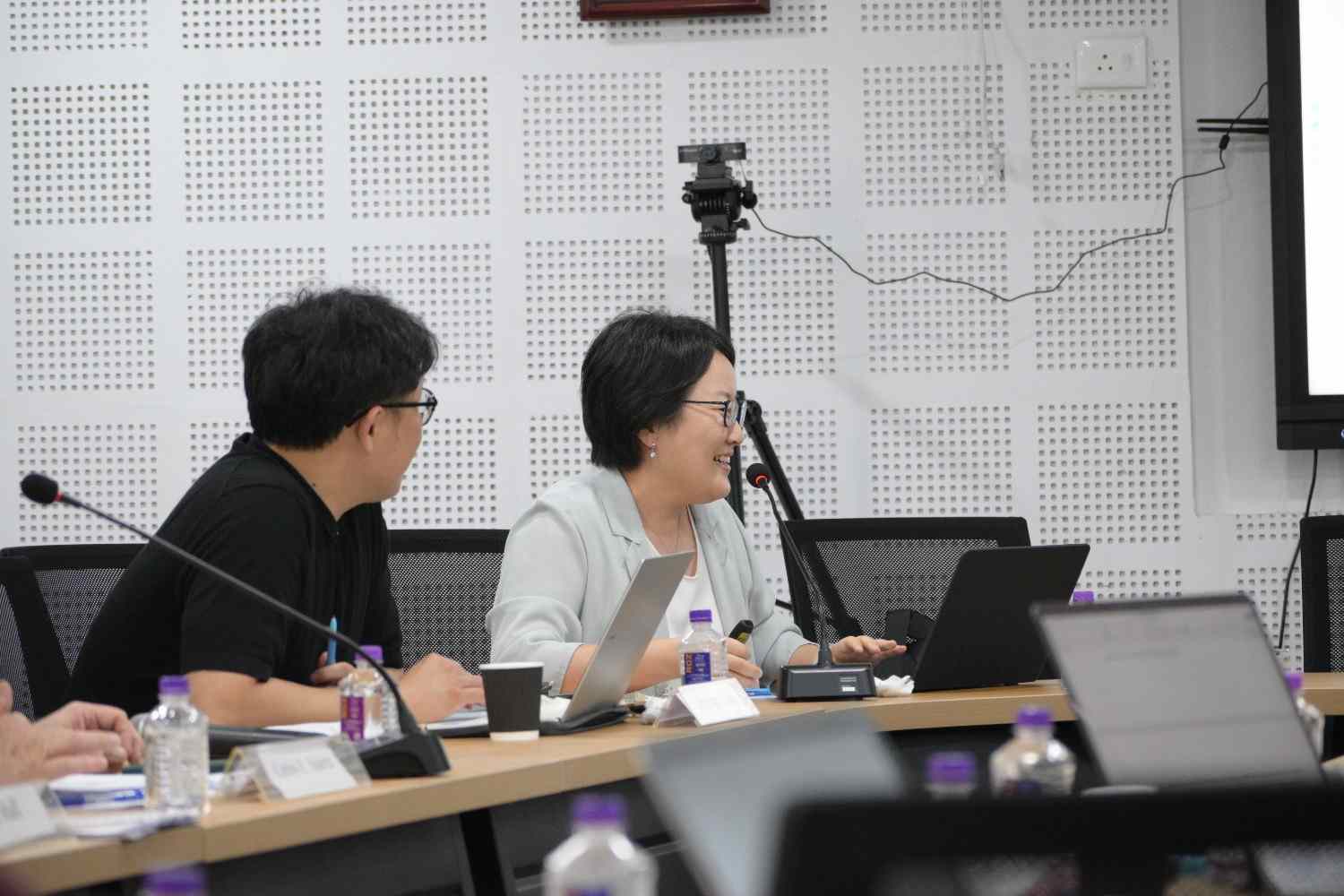
The School of International Relations and Politics (SIRP), Mahatma Gandhi University (MGU), organised a one-day academic workshop titled “The Indo-Pacific: Quest for Security, Status and Peaceful Change” on August 10, 2026, in collaboration with the Global Research Network on Peaceful Change (GRENPEC), with support from the Korea Foundation. The workshop brought together scholars and researchers from leading universities and research institutions in India and abroad to discuss the changing dynamics of the Indo-Pacific, the transition of international order, and the pursuit of security, status and peaceful change in the region.
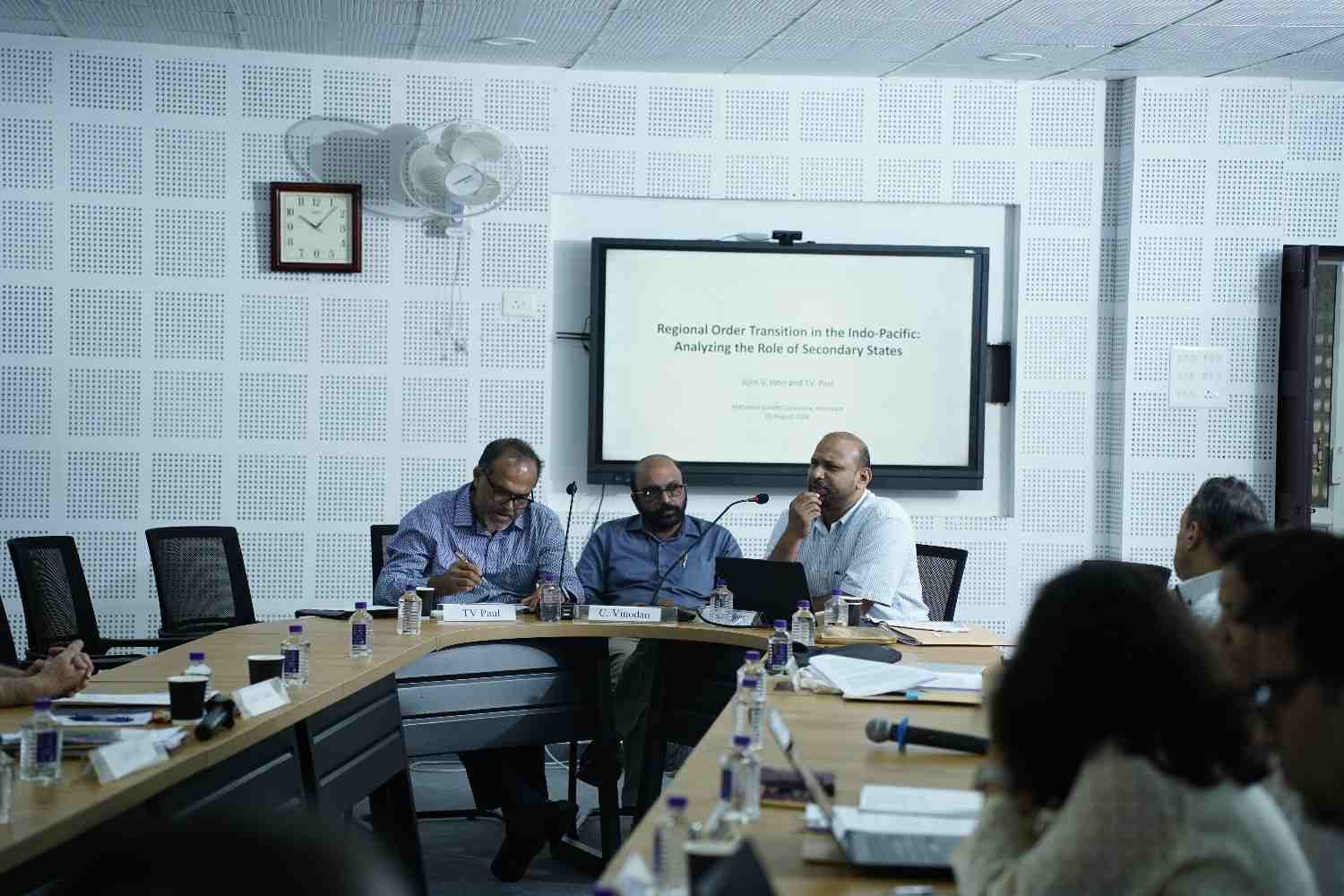
The workshop began with a discussion of the introduction and framing paper by Jojin V. John from Mahatma Gandhi University and T. V. Paul from McGill University and discussion led by lead discussant Ian Hall from Griffith University. The session set the ground for the workshop themes and provided the context for deliberating on the issues of transition towards new international order and the changing strategic dynamics in the Indo-Pacific region.
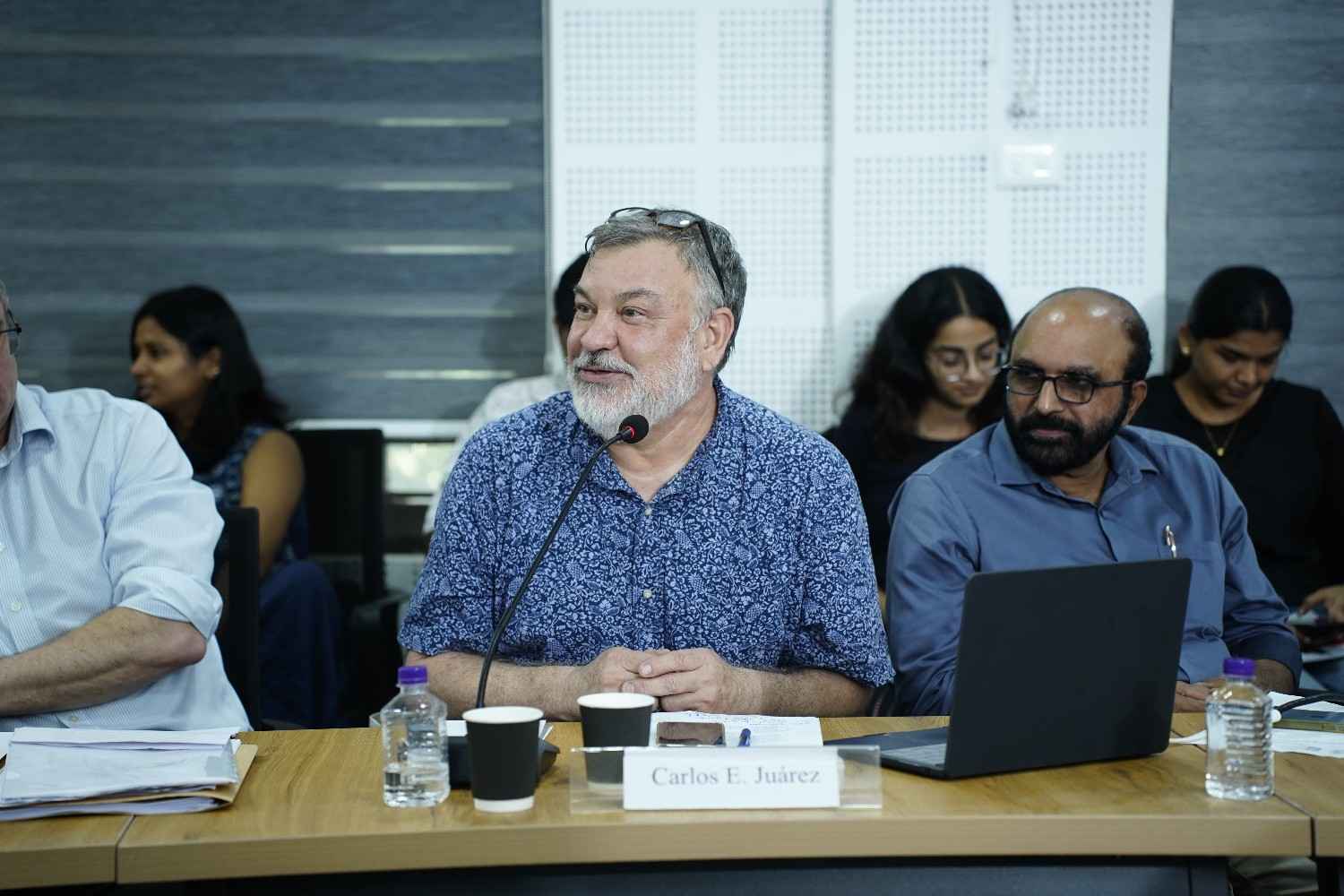
The second session was on “Mapping International Order Transition in the Indo-Pacific” and was chaired by T. V. Paul of McGill University. Navnita Chadha Behera and Surinder Mohan of the University of Delhi delivered the presentation “Contested Elements and Efficacy of Order-building in the Indo-Pacific”, discussing the contestations around order-building in the Indo-Pacific region. San Diego State University’s Jaeyoung Kim delivered a presentation on “Status Trajectory, Secondary States, and the Rise of China in the Indo-Pacific”, which addressed status dynamics and implications of China’s rise for secondary states. In the era of geoeconomics, Carlos E. Juárez of the East-West Center, Honolulu, discussed the dynamics of regional order between Latin America and the Indo-Pacific in his talk, “Spheres of Influence and Regional Orders: Latin America and the Indo-Pacific in the Age of Geoeconomics.”
The third session titled “Indo-Pacific Order Transition and Secondary States” was led by Carlos E. Juárez, of the East-West Center. Giorgio Shani of International Christian University, Tokyo, gave the talk, “Re-Envisioning the Indo-Pacific After Liberal Hegemony,” which rethought the regional order in light of shifting patterns of global leadership. Kuyoun Chung from Kangwon National University in South Korea delivered the paper “South Korea’s Bounded Diversification: Alliance Constraints, Threat Perception, and Limited Strategic Autonomy,” which focused on constraints on South Korea’s strategic options. Ning-Ming Mumin Chen and Anand Chauhan from the National Chung Hsing University, Taiwan, presented the paper titled “Taiwan as a Pivotal Security Actor in a Multiplex Indo-Pacific: Integration, Agency, and Strategic Adaptation”, which examined Taiwan’s security role in the region’s changing security architecture.
Navnita Chadha Behera, University of Delhi, was the Chairman of the fourth session titled as “India and Indo-Pacific Order”. Shibashis Chatterjee of Jadavpur University spoke about India’s attempt to maintain order in the Indo-Pacific region from the lens of identity and strategic autonomy under the title “India’s Navigation of the Indo-Pacific: A Constructivist Explanation of Order, Autonomy, and Identity”. Dr. Rani D. Mullen, College of William & Mary, USA, gave the presentation titled “Soft Power and Status: Comparing the Strategies of India and Indonesia in the Indo-Pacific”. Ian Hall, Griffith University, Brisbane presented “India as a Middle Power in a Multiplex Indo-Pacific?” looking at India’s role and position in the complex and evolving international order of the Indo-Pacific.
*********
© 2026 Priyadarsini Hills, Kottayam,Kerala,India, Pin: 686560